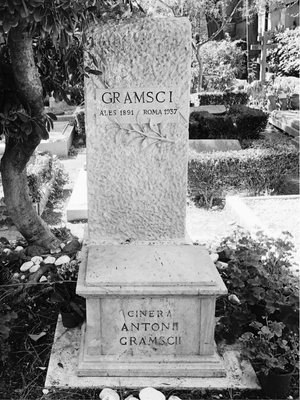
Antonio Gramsci left an indelible mark on twentieth-century politics. His thought evolved in response to the social crisis and injustices of his time, helping to shape contemporary political debate.
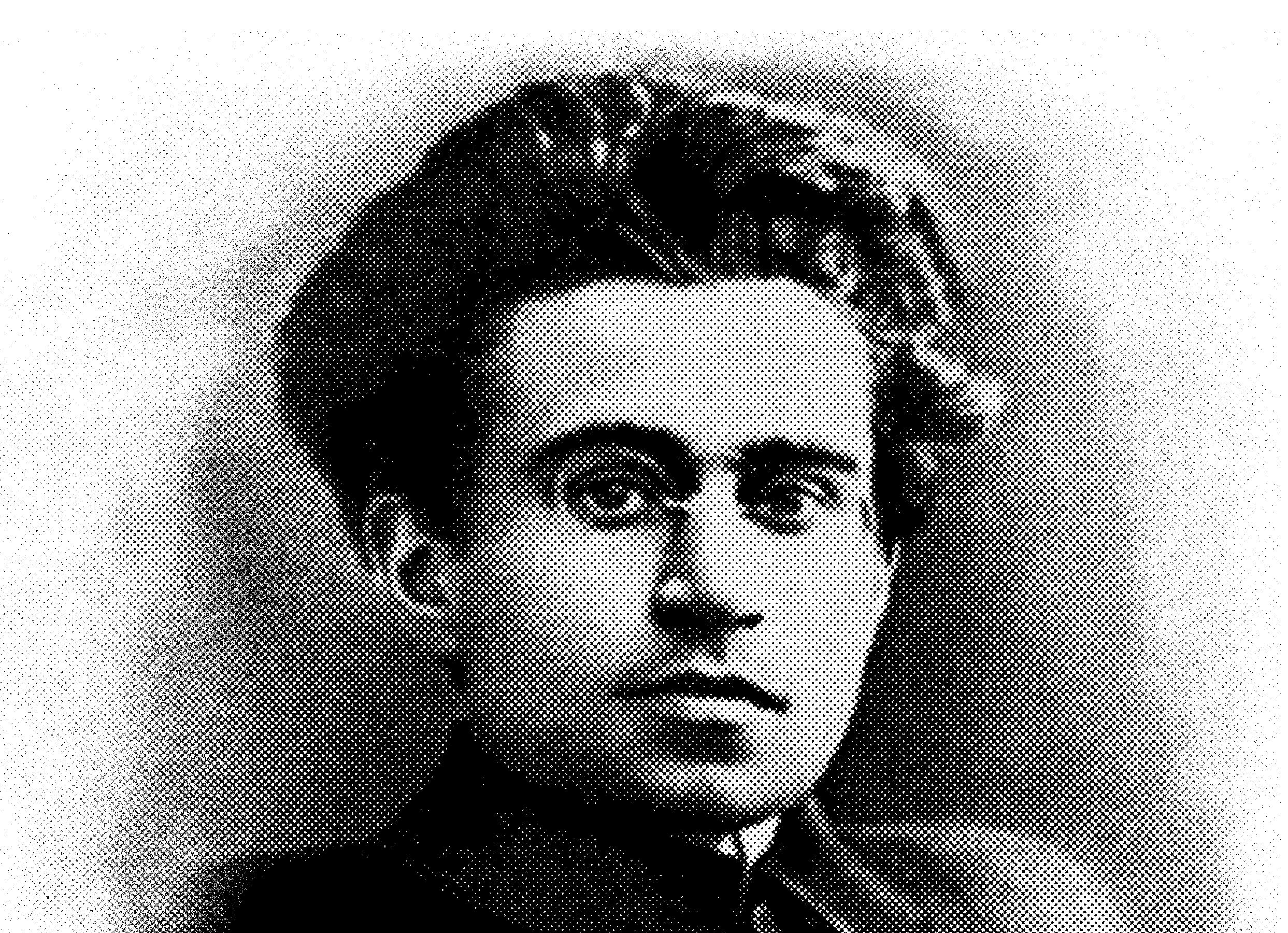
Antonio Gramsci is a central figure in twentieth-century political and cultural thought. Born in Sardinia, his life was marked by profound political and intellectual commitment.
Antonio Gramsci remains one of the leading figures in twentieth-century political and cultural thought. His writings continue to inspire scholars and intellectuals around the world.
The House Museum was once the home of the Gramsci family — the place where Antonio’s personal growth and early intellectual formation began, and an important testament to the family’s history. A fundamental stage in Gramsci’s life, where he first opened himself to the “great, terrible, and complex world.”
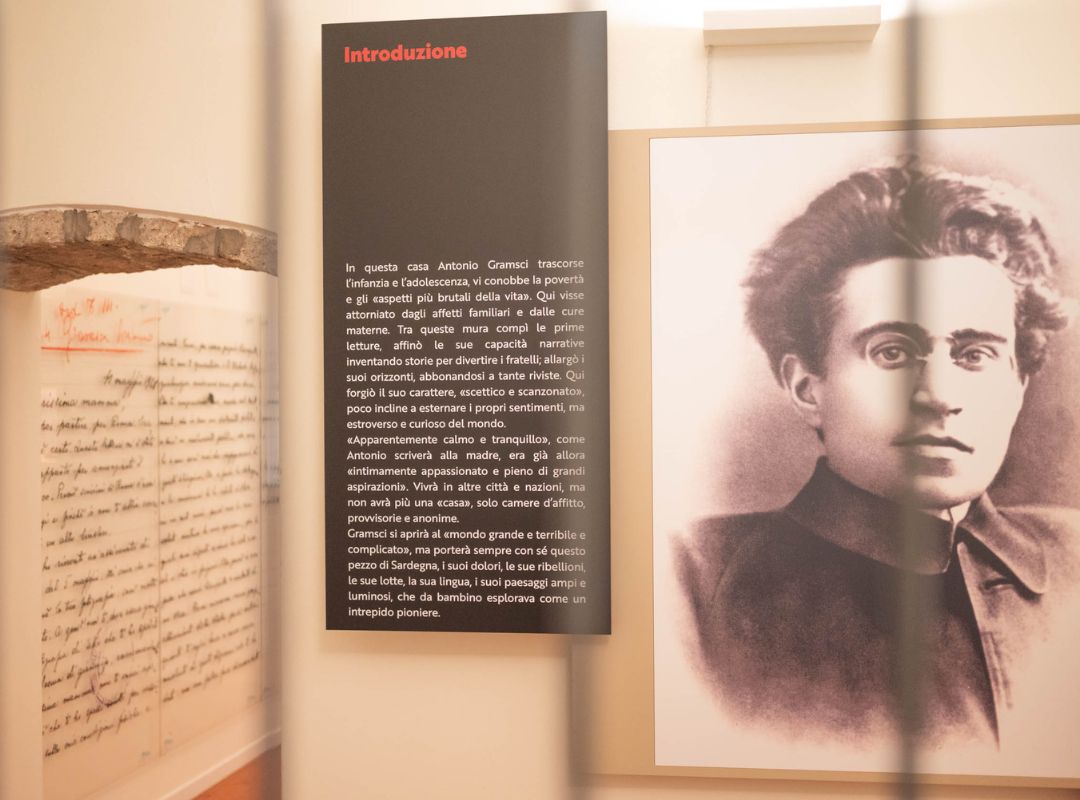
Discover the house where one of the most influential minds of the early twentieth century grew up.
A renewed visitor experience with barrier-free spaces, new exhibition layouts, and digital tools designed for everyone.
The Foundation promotes cultural, social, and educational activities throughout the local area, enhancing the region’s heritage and encouraging community participation. It is committed to supporting innovative projects for social and cultural development.
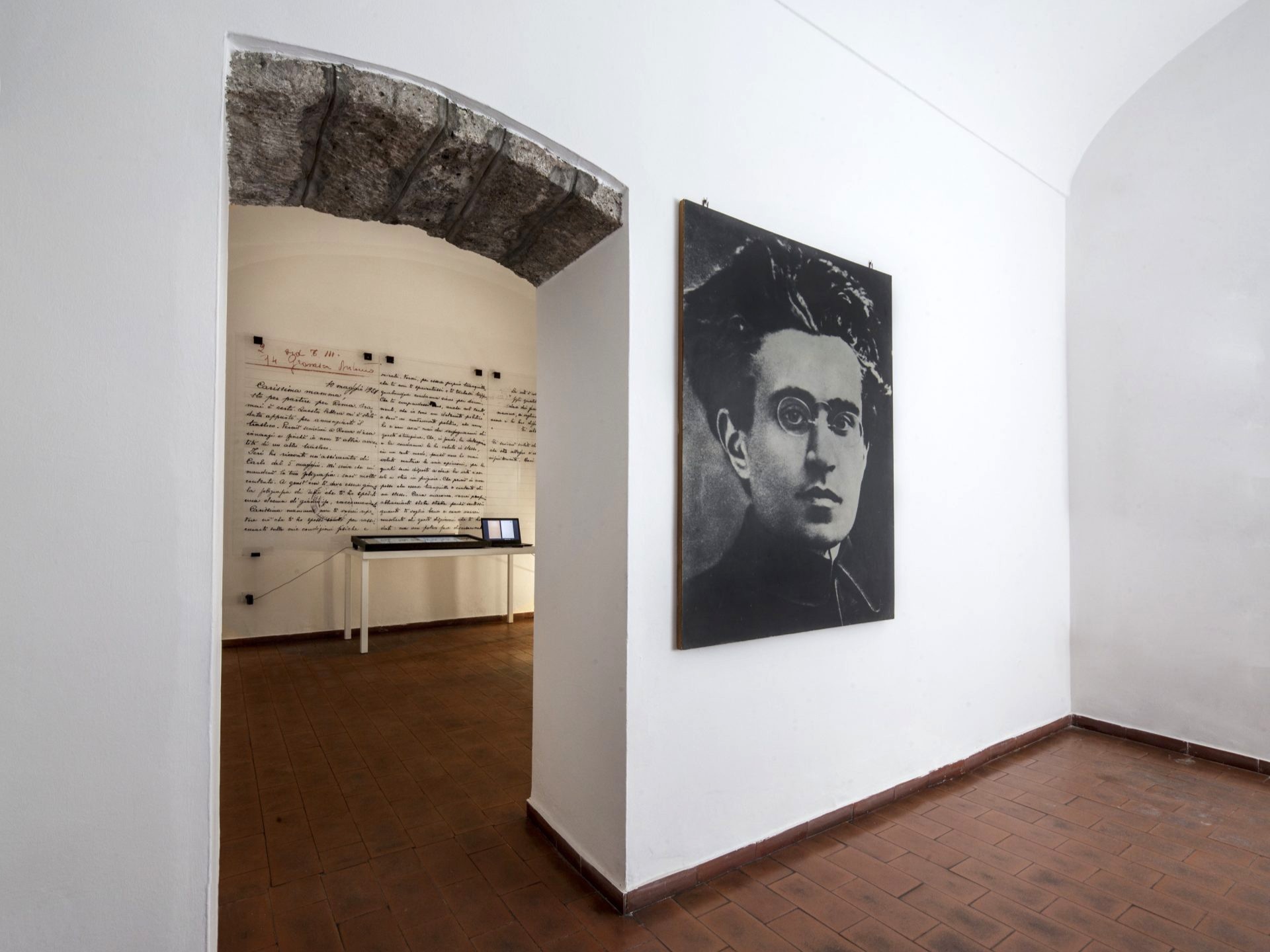
Learn more about the Foundation’s values and commitment to preserving and promoting the local heritage.
Unisciti a noi: metti in campo le tue competenze e contribuisci alla crescita della comunità.
Find out how to support the Foundation through donations and other forms of contribution.
Access official documents, financial reports, and institutional information to ensure full transparency.
The Ghilarza Summer School offers the opportunity to take part in an advanced training programme held every two years and dedicated to the thought of Antonio Gramsci.

Explore the details of the Ghilarza Summer School programme dedicated to the study of Gramscian thought.
Each edition focuses on a specific Gramscian theme, featuring specialised lectures alongside public events and discussions.
All the practical information you need to plan your visit: opening hours, access information, available services, contacts, and details about events organised by the House Museum.
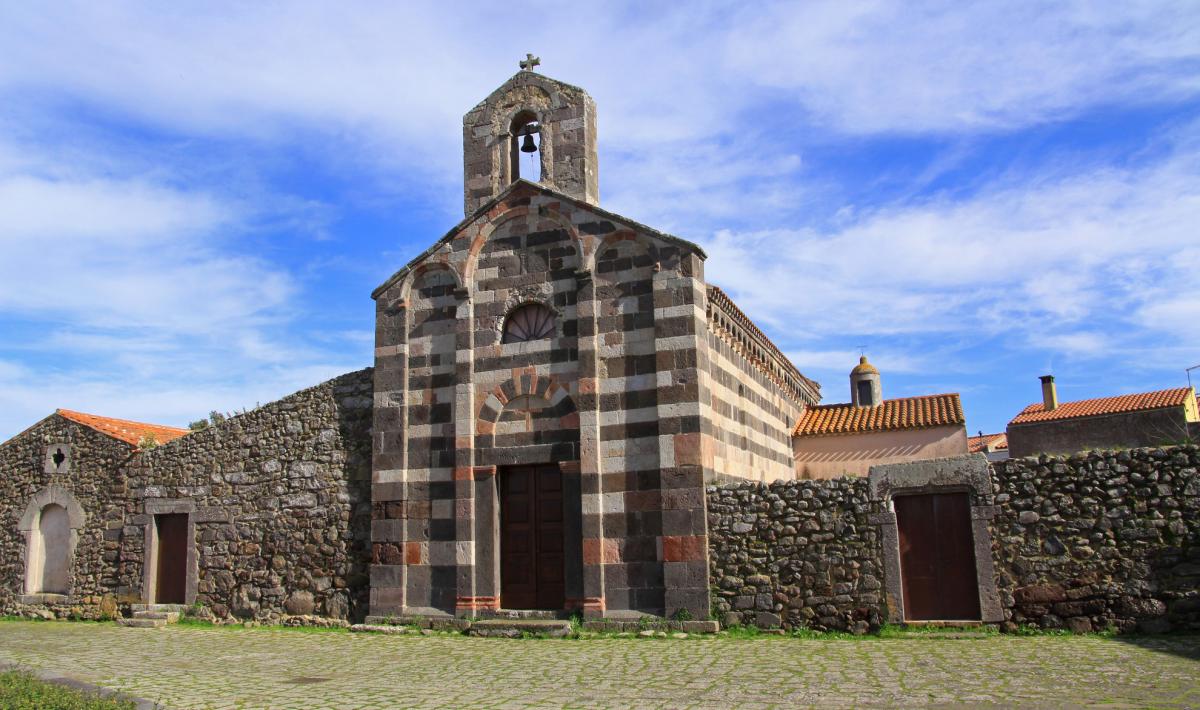
Find useful contact information to request details, book a visit, and get in touch with the Museum.
An invitation to discover the historical and cultural setting surrounding the place where Antonio Gramsci spent his childhood and youth.
News and updates on activities, cultural projects, and events promoted by the Foundation across the local area.
All the information on admission fees, concessions, and booking procedures for access to the exhibition spaces of the House Museum.
Antonio Gramsci is a central figure in twentieth-century political and cultural thought. Born in Sardinia, his life was marked by profound political and intellectual commitment.
Antonio Gramsci remains one of the leading figures in twentieth-century political and cultural thought. His writings continue to inspire scholars and intellectuals around the world.
Discover the house where one of the most influential minds of the early twentieth century grew up.
A renewed visitor experience with barrier-free spaces, new exhibition layouts, and digital tools designed for everyone.
Esplora i luoghi ricordati e citati da Antonio Gramsci nelle sue lettere nel territorio di Ghilarza e dintorni.
Con le tessere della Casa Museo di Antonio Gramsci puoi usufruire di tariffe d’ingresso ridotte e di altri vantaggi.
Learn more about the Foundation’s values and commitment to preserving and promoting the local heritage.
Unisciti a noi: metti in campo le tue competenze e contribuisci alla crescita della comunità.
Find out how to support the Foundation through donations and other forms of contribution.
Access official documents, financial reports, and institutional information to ensure full transparency.
Explore the details of the Ghilarza Summer School programme dedicated to the study of Gramscian thought.
Each edition focuses on a specific Gramscian theme, featuring specialised lectures alongside public events and discussions.
Find useful contact information to request details, book a visit, and get in touch with the Museum.
An invitation to discover the historical and cultural setting surrounding the place where Antonio Gramsci spent his childhood and youth.
News and updates on activities, cultural projects, and events promoted by the Foundation across the local area.
All the information on admission fees, concessions, and booking procedures for access to the exhibition spaces of the House Museum.
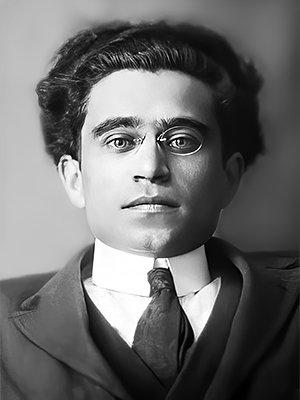
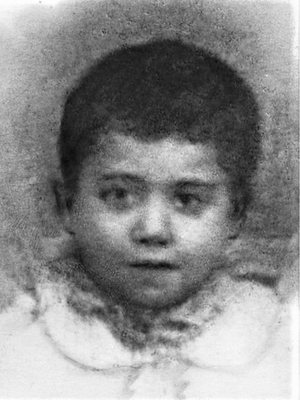
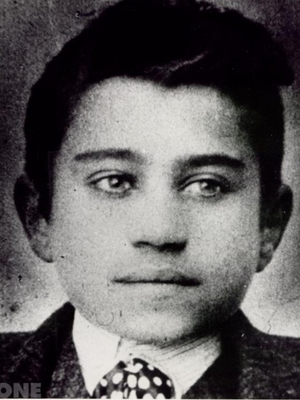
Antonio Gramsci was born on 22 January 1891 to Francesco Gramsci and Giuseppina Marcias. He spent his early years with his family in Ghilarza before moving to Turin to attend university, where he also began working as a journalist.
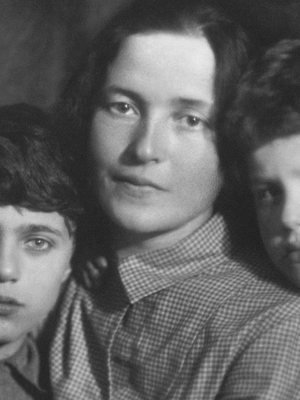
He travelled abroad on behalf of the Communist Party of Italy and, while in Moscow, met Giulia Schucht, with whom he would have two children. On 8 November 1926, however, he was arrested and sentenced to internal exile on the island of Ustica.
In 1928, he was sentenced to 20 years, 4 months, and 5 days in prison. Due to the severe health conditions caused by Pott’s disease, he was transferred to the prison in Turi, where he was assisted by his sister-in-law Tatiana. During his imprisonment, he began both his extensive correspondence and the writing of the Prison Notebooks. As his illness worsened, he was granted conditional release and transferred under custody to clinics in Formia and later in Rome.
Shortly after regaining full freedom, he suffered a cerebral haemorrhage and died on 27 April 1937. His ashes are buried in the Non-Catholic Cemetery in Rome.
On 22 January, Antonio Gramsci is born in Ales to Francesco, an employee at the Registry Office in Ghilarza, and Giuseppina Marcias. He is the fourth of seven children.
His father is arrested for administrative irregularities. His mother moves with her children to Ghilarza. Two years later, his father is sentenced to more than five years in prison, to be served in Gaeta.
He completes primary school with top marks in every subject. Because of the family’s difficult financial circumstances, he interrupts his studies and works for two years at the Agency of Direct Taxes and Land Registry in Ghilarza.
After completing lower secondary school in Oristano, he enrols at the Dettòri High School in Cagliari. He lives with his older brother Gennaro and becomes involved in the youth circles of the socialist movement.
He publishes his first article in the Cagliari newspaper L’Unione Sarda.
After completing secondary school, he wins a scholarship at the Carlo Alberto College in Turin for disadvantaged students from the former provinces of the Kingdom of Sardinia. On 16 November, he enrols in the Faculty of Letters at the University of Turin, specialising in Modern Philology.
He joins the Turin section of the Italian Socialist Party.
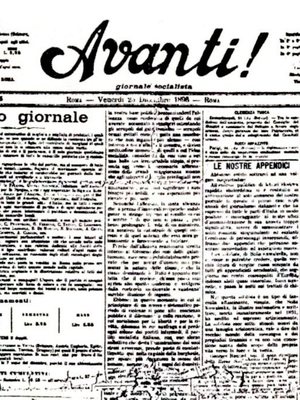
He abandons his university studies and devotes himself to journalism, strengthening his ties with the socialist movement. In December, he joins the Turin editorial staff of Avanti! and collaborates with the weekly newspaper Il Grido del Popolo.
In September, he takes over the provisional executive leadership of the Socialist section in Turin and directs Il Grido del Popolo until December.
Together with Palmiro Togliatti, Angelo Tasca, and Umberto Terracini, he founds L’Ordine Nuovo, a weekly journal of socialist culture.
In May, he attends the meeting of Amadeo Bordiga’s abstentionist communist faction in Florence. He participates in the factory occupation movement. In November, he takes part in the Imola convention, where the communist faction of the Italian Socialist Party is officially established.
On 1 January, the first issue of the daily L’Ordine Nuovo is published in Turin, under his direction. He participates in the 17th Congress of the Italian Socialist Party in Livorno (15–21 January), during which the Communist Party of Italy is founded. He becomes a member of the Party’s Central Committee.
In 1922, he is chosen to represent the Communist Party of Italy in the Communist International. In Moscow, he attends conferences, is hospitalised for health reasons, and meets Eugenia and Giulia Schucht. On 25 October, he meets Vladimir Lenin.
Unable to return to Italy because of an arrest warrant issued against him, he remains in Moscow. In December, he moves to Vienna, appointed by the Communist International to maintain relations between the Italian Communist Party and European communist parties.
On 12 February, the first issue of L’Unità is published in Milan. The third series of L’Ordine Nuovo, now a fortnightly publication, begins in Rome. Elected deputy in the general election of 6 April for the Veneto constituency, he returns to Italy in May. He joins the Executive Committee of the Communist Party of Italy and moves to Rome. In August, he is elected party secretary. On 10 August, in Moscow, Giulia gives birth to their first son, Delio. Between October and November, he returns to Ghilarza for the last time.
In February, he meets Tatiana Schucht, Giulia’s older sister, in Rome. Between March and April, he returns to Moscow and takes part in the proceedings of the Fifth Enlarged Executive of the Communist International. In autumn, Giulia and Delio join him in Rome.
t the Third Congress of the Communist Party of Italy in Lyon (20–26 January), he presents a report on the general political situation. Giulia returns to Moscow, where their second son, Giuliano, is born on 30 August. On 8 November, following the enactment of the exceptional laws, Gramsci is arrested and imprisoned in Regina Coeli prison. He is later sentenced to internal exile on the island of Ustica, where he arrives on 7 December.
On 14 January, the Military Tribunal of Milan issues an arrest warrant against him. On 20 January, he is transferred to San Vittore prison in Milan. The harsh prison conditions severely affect his health, while Tatiana continues to care for him.
On 28 May, his trial opens in Rome before the Special Tribunal for the Defence of the State, alongside other leaders of the Communist Party of Italy. On 4 June, he is sentenced to 20 years, 4 months, and 5 days in prison. Because of his deteriorating health, he is transferred to the prison facility for physically and mentally disabled inmates in Turi.
In January, he is granted permission to write, and on 8 February he begins his first notebook.
Following amnesty measures and pardons marking the tenth anniversary of the March on Rome, his sentence is reduced to 12 years and 4 months. He begins writing the Special Notebooks. On 30 December, his mother dies in Ghilarza.
As his health worsens, he leaves the prison in Turi on 19 November and is later transferred to a clinic in Formia. In October, he submits a request for conditional release, which is granted.
He is transferred to the Quisisana Clinic in Rome and permanently interrupts the writing of the Notebooks.
Shortly after regaining full freedom, on 25 April he suffers a cerebral haemorrhage. He dies two days later. Tatiana saves the Notebooks and his books. His ashes, initially placed in Rome’s Verano Cemetery, are later buried in the Non-Catholic Cemetery in Rome.
Prenota la tua visita e scopri la vita di Antonio Gramsci, tra ricordi e testimonianze.